Amsterdam, year round
Amsterdam on two wheels, and how to walk among them
In Amsterdam almost everything travels by bike, dogs included. What that means for anyone crossing the city on foot.
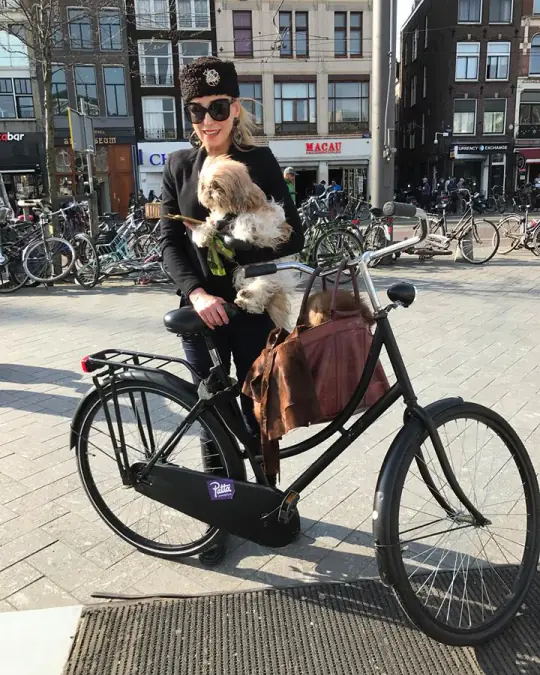
Amsterdam has more bicycles than it has residents. Not as a slogan, as an accounting fact, and you feel it about ninety seconds after leaving Centraal Station. Shopping, children, ladders, dogs and the occasional sofa all travel by bike, and the city has been rebuilt around that assumption for fifty years.
It was a decision, not a tradition
The usual assumption is that the Dutch have always cycled and never stopped. They did stop. Through the 1950s and 60s Dutch cities were being cleared for cars like everywhere else, and traffic deaths climbed with them. The campaign that turned it around in the 1970s was called Stop de Kindermoord, stop the child murder, and it was started by parents. What followed was decades of quiet engineering: separated lanes, priority at junctions, and traffic light phases that let bikes go first.
The result is visible in the small things. The red asphalt is not decoration, it is a road. The bike parking garage under the water at Centraal Station holds seven thousand bicycles and opened in 2023. A bakfiets, the long wooden box bike, does the work that a second car does elsewhere.
Rules for walking in it
- Red asphalt is a bike lane. Standing in it to take a photo is the single most common visitor mistake.
- Look both ways twice, then once more for the scooter. Bikes come faster and quieter than they look.
- If a bell rings behind you, keep walking in a straight line. Stepping aside unpredictably is what causes the collision.
- Cross the tram rails at an angle if you are cycling yourself. A wheel in the groove ends badly.
Why it matters on a walking tour
The bike explains the shape of the centre better than any building does. The canals set the street pattern in the seventeenth century, the bike kept those streets from being widened in the twentieth, and that is the reason the Golden Age houses are still standing to be looked at. Scenes like a woman pedalling past with two small dogs in the basket turn up on every walk, and they are not staged for anybody.